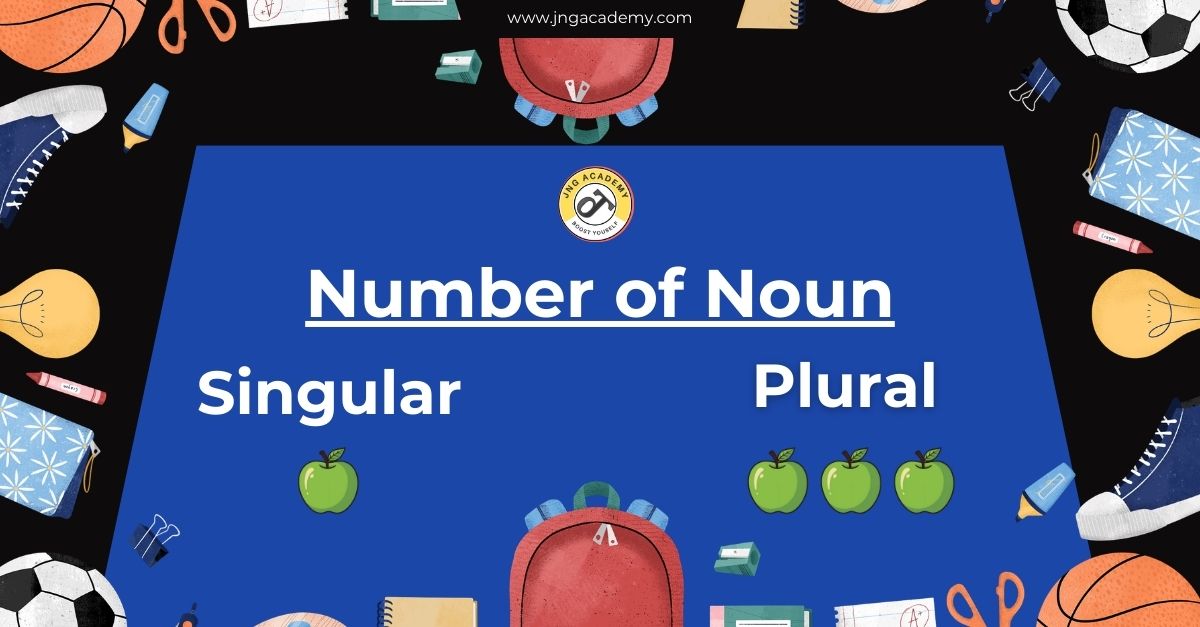
Singular and Plural in English Grammar
Understanding singular and plural nouns is one of the most important parts of English grammar. These forms help us determine whether we are talking about one thing or more than one.
Students from Class 1 to Class 10 learn singular and plural rules because they are essential for making correct sentences in English.
Key Outcomes
In this article, you will learn:
- What is singular and plural
- Rules of singular and plural
- Examples with Hindi, Urdu, and Arabic meanings
- Arabic singular, dual, and plural forms
- Practice exercises and FAQs
What Are Singular and Plural?
Singular and Plural are grammatical forms that show the number of a noun.
In grammar, this concept is called Number.
A noun can appear in different number forms to show how many persons, places, animals, or things we are talking about.
Is Singular and Plural a Kind of Noun?
Singular and plural are not kinds of nouns.
They are forms of a noun that indicate number.
A noun may appear in:
- Singular form (one)
- Plural form (more than one)
Examples:
| Noun | Singular Form | Plural Form |
|---|---|---|
| Boy | Boy | Boys |
| Book | Book | Books |
| Child | Child | Children |
| Apple | Apple | Apples |
So, singular and plural are different forms of the same noun.
Table of Contents
What is Singular?
A singular noun refers to one person, place, animal, or thing.
Example:
| Word | Meaning |
|---|---|
| Boy | one boy |
| Book | one book |
| Teacher | one teacher |
| Apple | one apple |
Example Sentences:
- The boy is playing.
- I have a book.
- She is a teacher.
Singular in Different Languages
| Language | Word |
|---|---|
| Hindi | एकवचन |
| Urdu | واحد |
| Arabic | مُفْرَدٌ |
What is Plural?
A plural noun refers to more than one person, place, animal, or thing.
Example:
| Word | Meaning |
|---|---|
| Boys | more than one boy |
| Books | many books |
| Teachers | many teachers |
| Apples | many apples |
Example Sentences:
- The boys are playing.
- I have many books.
Plural in Different Languages
| Language | Word |
|---|---|
| Hindi | बहुवचन |
| Urdu | جمع |
| Arabic | جَمْعٌ |
Where Do Singular and Plural Come From?
The idea of singular and plural comes from language grammar systems.
Most languages in the world use number forms to show quantity.
For example:
| Language | Number Forms |
|---|---|
| English | Singular, Plural |
| Hindi | एकवचन, बहुवचन |
| Urdu | واحد, جمع |
| Arabic | مُفْرَدٌ, مُثَنَّى, جَمْعٌ |
Arabic Number Forms
Arabic grammar has three number forms.
| Form | Meaning | Example |
|---|---|---|
| مُفْرَدٌ | Singular | كِتَابٌ |
| مُثَنَّى | Dual (two) | كِتَابَانِ |
| جَمْعٌ | Plural | كُتُبٌ |
Rules of Singular and Plural
Rule 1: Add –s
Most nouns form a plural by adding –s.
| English Singular | English Plural | Hindi | Urdu | Arabic Singular | Arabic Dual | Arabic Plural |
|---|---|---|---|---|---|---|
| Boy | Boys | लड़का | لڑکا | وَلَدٌ | وَلَدَانِ | أَوْلَادٌ |
| Girl | Girls | लड़की | لڑکی | بِنْتٌ | بِنْتَانِ | بَنَاتٌ |
| Book | Books | किताब | کتاب | كِتَابٌ | كِتَابَانِ | كُتُبٌ |
| Pen | Pens | पेन | قلم | قَلَمٌ | قَلَمَانِ | أَقْلَامٌ |
| Bag | Bags | बैग | بیگ | حَقِيبَةٌ | حَقِيبَتَانِ | حَقَائِبُ |
| Chair | Chairs | कुर्सी | کرسی | كُرْسِيٌّ | كُرْسِيَّانِ | كَرَاسِيٌّ |
| Table | Tables | मेज | میز | طَاوِلَةٌ | طَاوِلَتَانِ | طَاوِلَاتٌ |
Example sentence:
The boys are playing football.
Rule 2: Add –es
If a word ends with s, sh, ch, x, add –es.
| Singular | Plural | Hindi | Urdu | Arabic Singular | Arabic Dual | Arabic Plural |
|---|---|---|---|---|---|---|
| Bus | Buses | बस | بس | حَافِلَةٌ | حَافِلَتَانِ | حَافِلَاتٌ |
| Box | Boxes | डिब्बा | ڈبہ | صُنْدُوقٌ | صُنْدُوقَانِ | صَنَادِيقُ |
| Watch | Watches | घड़ी | گھڑی | سَاعَةٌ | سَاعَتَانِ | سَاعَاتٌ |
| Class | Classes | कक्षा | جماعت | فَصْلٌ | فَصْلَانِ | فُصُولٌ |
| Brush | Brushes | ब्रश | برش | فُرْشَاةٌ | فُرْشَاتَانِ | فُرْشَاتٌ |
Example sentence:
The buses are late today.
Rule 3: Words Ending with Y
(i) Consonant + Y → ies
| Singular | Plural | Hindi | Urdu | Arabic Singular | Arabic Dual | Arabic Plural |
|---|---|---|---|---|---|---|
| Baby | Babies | बच्चा | بچہ | طِفْلٌ | طِفْلَانِ | أَطْفَالٌ |
| City | Cities | शहर | شہر | مَدِينَةٌ | مَدِينَتَانِ | مُدُنٌ |
| Story | Stories | कहानी | کہانی | قِصَّةٌ | قِصَّتَانِ | قِصَصٌ |
(ii) Vowel + Y → s
| Singular | Plural |
|---|---|
| Boy | Boys |
| Toy | Toys |
Example sentence:
(i) The stories were interesting.
(ii) The toys are new.
Rule 4: Words Ending with F / FE
These words change f → ves.
| Singular | Plural | Hindi | Urdu | Arabic Singular | Arabic Dual | Arabic Plural |
|---|---|---|---|---|---|---|
| Leaf | Leaves | पत्ता | پتا | وَرَقَةٌ | وَرَقَتَانِ | أَوْرَاقٌ |
| Wolf | Wolves | भेड़िया | بھیڑیا | ذِئْبٌ | ذِئْبَانِ | ذِئَابٌ |
| Knife | Knives | चाकू | چاقو | سِكِّينٌ | سِكِّينَانِ | سَكَاكِينُ |
| Life | Lives | जीवन | زندگی | حَيَاةٌ | حَيَاتَانِ | حَيَوَاتٌ |
Example sentence:
Your knives were old.
Rule 5: Irregular Plurals
Some nouns change completely.
| Singular | Plural | Hindi | Urdu | Arabic Singular | Arabic Dual | Arabic Plural |
|---|---|---|---|---|---|---|
| Man | Men | आदमी | آدمی | رَجُلٌ | رَجُلَانِ | رِجَالٌ |
| Woman | Women | महिला | عورت | اِمْرَأَةٌ | اِمْرَأَتَانِ | نِسَاءٌ |
| Child | Children | बच्चा | بچہ | طِفْلٌ | طِفْلَانِ | أَطْفَالٌ |
| Tooth | Teeth | दाँत | دانت | سِنٌّ | سِنَّانِ | أَسْنَانٌ |
| Foot | Feet | पैर | پاؤں | قَدَمٌ | قَدَمَانِ | أَقْدَامٌ |
Example sentence:
Six mice were bred in the laboratory.
Rule 6: Same Singular and Plural
Some words stay the same.
| Singular | Plural | Hindi | Urdu | Arabic Singular | Arabic Dual | Arabic Plural |
|---|---|---|---|---|---|---|
| Sheep | Sheep | भेड़ | بھیڑ | خَرُوفٌ | خَرُوفَانِ | خِرْفَانٌ |
| Deer | Deer | हिरण | ہرن | غَزَالٌ | غَزَالَانِ | غِزْلَانٌ |
| Fish | Fish | मछली | مچھلی | سَمَكٌ | سَمَكَتَانِ | أَسْمَاكٌ |
Example sentence:
Five sheep were grazing.
Why Singular and Plural Are Important
Singular and plural help us:
- Show how many things we are talking about
- Make correct sentences
- Maintain subject–verb agreement
- Communicate clearly
- Speak and write proper English
Example:
The boy are playing. ❌
The boy is playing. ✅
The boys is playing. ❌
The boys are playing. ✅
Practice Exercises –
Q1. Write the plural form of the following nouns.
- Boy → __________
- Girl → __________
- Book → __________
- Apple → __________
- Toy → __________
- Bus → __________
- Box → __________
- Brush → __________
- Baby → __________
- City → __________
Answers
- Boys
- Girls
- Books
- Apples
- Toys
- Buses
- Boxes
- Brushes
- Babies
- Cities
Q2. Write the singular form of the following nouns.
- Boys → __________
- Books → __________
- Apples → __________
- Cities → __________
- Babies → __________
- Boxes → __________
- Brushes → __________
- Stories → __________
- Teachers → __________
- Students → __________
Answers
- Boy
- Book
- Apple
- City
- Baby
- Box
- Brush
- Story
- Teacher
- Student
Q3. Choose the correct singular or plural word.
- The ______ are playing in the park. (boy/boys)
- She has two ______. (book/books)
- The ______ is red. (apple/apples)
- Many ______ are flying in the sky. (bird/birds)
- The ______ is barking. (dog/dogs)
Answers
- boys
- books
- apple
- birds
- dog
Q4. Choose the Correct Option.
- Plural of leaf
- A) Leafs
- B) Leaves
- C) Leafes
- Plural of child
- A) Childs
- B) Childrens
- C) Children
- Plural of woman
- A) Womans
- B) Women
- C) Womanses
- Plural of mouse
- A) Mouses
- B) Mice
- C) Mousees
- Plural of knife
- A) Knifes
- B) Knives
- C) Knifees
Answers
- B) Leaves
- C) Children
- B) Women
- B) Mice
- B) Knives
Q5. Rewrite the sentences in plural form.
- The boy is playing.
- The girl has a book.
- The child is happy.
- The apple is sweet.
- The teacher is teaching.
Answers
- The boys are playing.
- The girls have books.
- The children are happy.
- The apples are sweet.
- The teachers are teaching.
Q6. Write S for Singular and P for Plural.
- Books ______
- Boy ______
- Apples ______
- Teacher ______
- Girls ______
Answers
- P
- S
- P
- S
- P
Q7. Match singular with plural.
| Singular | Plural |
|---|---|
| Man | ___ |
| Tooth | ___ |
| Mouse | ___ |
| Woman | ___ |
| Child | ___ |
Answers
- Man → Men
- Tooth → Teeth
- Mouse → Mice
- Woman → Women
- Child → Children
FAQs (Frequently Asked Questions)
1. What is singular in English grammar?
For example: boy, book, apple, teacher.
Example sentence:
The boy is playing in the park.
2. What is a plural in English grammar?
Examples: boys, books, apples, teachers.
Example sentence:
The boys are playing in the park.
3. What are the main rules of singular and plural nouns?
1. Add –s to most nouns (boy → boys)
2. Add –es to nouns ending in s, sh, ch, x (bus → buses)
3. Change y → ies (baby → babies)
4. Change f / fe → ves (leaf → leaves)
5. Some nouns are irregular (child → children)
4. What is the difference between singular and plural?
Singular
Refers to one
1. boy
2. book
Plural
Refers to more than one
1. boys
2. books
Singular shows one object, while plural shows two or more objects.
5. Are singular and plural forms the same for some words?
Examples:
sheep → sheep
deer → deer
fish → fish
aircraft → aircraft
6. What are irregular plural nouns?
Examples:
Singular
1. man
2. woman
3. child
4. tooth
5. mouse
Plural
1. men
2. women
3. children
4. teeth
5. mice
7. What is a dual number in Arabic grammar?
Singular كِتَابٌ
Dual كِتَابَانِ
Plural كُتُبٌ
8. Why is it important to learn singular and plural?
1. Make correct sentences
2. Understand grammar rules
3. Improve writing and speaking skills
4. Use correct subject–verb agreement
Example:
The boys is playing. ❌
The boys are playing. ✅
9. How can students learn singular and plural easily?
1. Practicing word lists
2. Reading grammar examples
3. Doing exercises and quizzes
4. Learning common plural rules
Regular practice helps students master English grammar faster.
Note: Please leave comments for further improvement in the articles. At this time, the above article, “Singular and Plural in English Grammar: Rules, Examples & Exercises,” is the only one. We are thankful to you guys!